Africa's $30 Smartphone Dream Is Getting Pricier
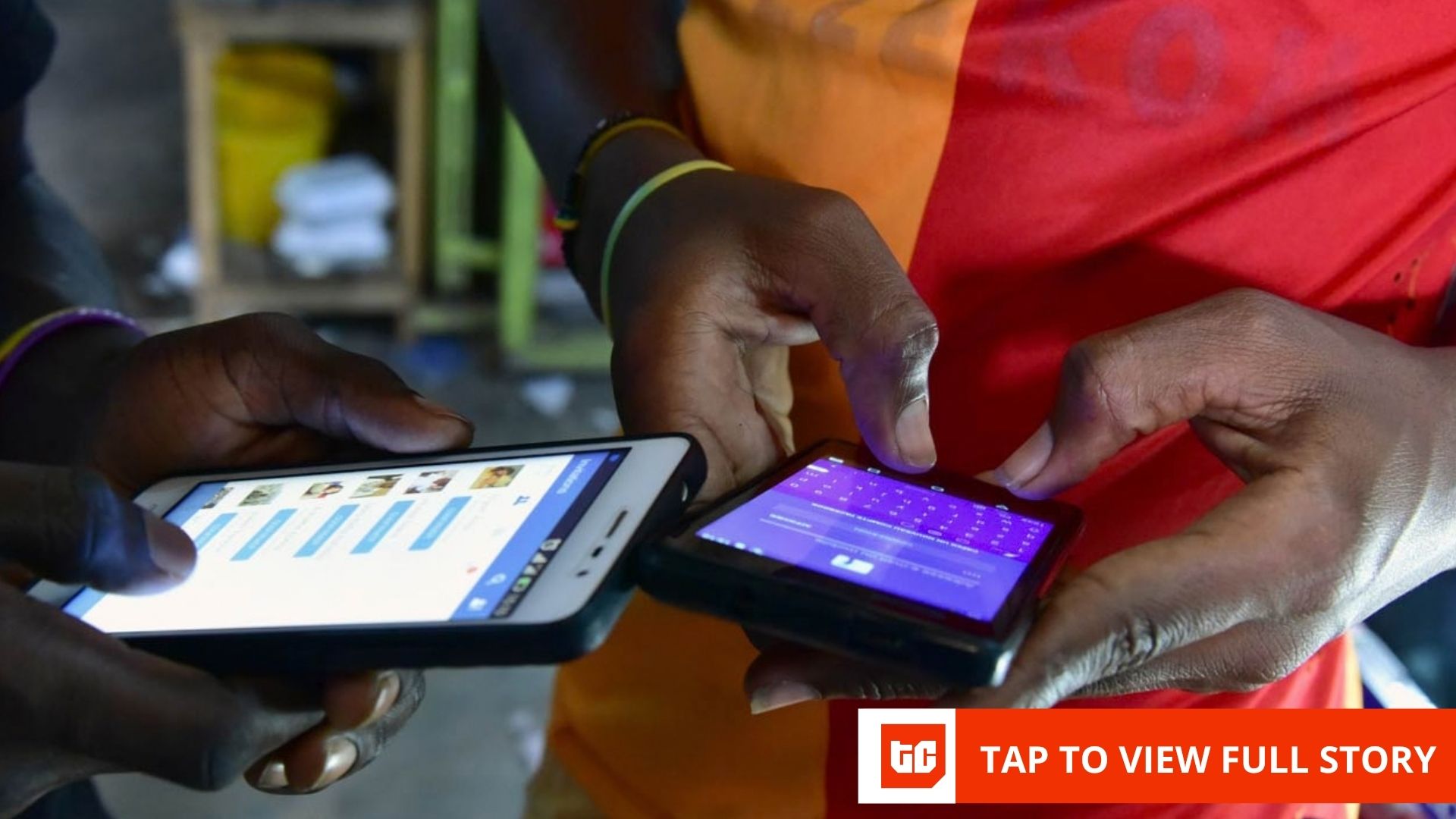
Africa spent years building towers, laying fibre and expanding 4G. The signal is there. The problem is what sits in people's pockets. Across the continent, 906 million people live within reach of 3G, 4G or 5G networks but stay offline, largely because an internet-capable phone costs more than many households can justify. The industry's answer has long been a $30 smartphone. That target is now slipping away.
The Coverage Illusion
Africa's mobile internet gap is no longer about whether a network reaches a community. It is about whether people can afford the device to use it. In Senegal, 4G covers about 97% of the population; in Uganda, 98%; in Nigeria, more than 80%. Yet 906 million Africans — nearly 60% of the continent — remain offline despite living under coverage. In Sub-Saharan Africa, just 25% of people use mobile internet, while 66% live within coverage but do not use it. As GSMA's Caroline Mbugua put it, Africa has built the networks, but not enough people can afford to use them.
Why $30 Is Slipping Away
The $30 smartphone target is not new, but its inputs are moving the wrong way. Memory prices more than doubled between Q3 2025 and Q1 2026, then surged another 80% to 90% in Q2. That squeeze hit the cheapest phones hardest. Omdia estimates Africa's average smartphone selling price rose $41 year-on-year to $202, while sub-$100 shipments fell 34%. Mbugua says chipsets are the biggest obstacle, with prices skyrocketing. Taxes, logistics, foreign exchange and retail margins widen the gap further, so a $30 factory device can cost consumers far more at the till.
What Governments Can Actually Do
Mbugua points to three levers: spectrum, taxation and energy. Spectrum is often treated as a revenue source, and those costs get passed to consumers, with some markets charging operators 26% to 50% of revenues versus roughly 1% in China and Japan. On tax, South Africa removed a 9% excise duty on smartphones under 2,500 rand in April 2025, and GSMA says entry-level sales rose 80% over the following 11 months, though causation is hard to prove. Energy can consume up to 30% of operator opex where grids are unreliable, feeding back into prices.
The Stakes Beyond the Handset
A cheaper phone will not fix everything. Digital skills, network quality, unreliable electricity, fraud, safety concerns, language barriers and thin local content all keep people offline. But without an affordable device, those problems are harder to address. The GSMA estimates closing the global mobile usage gap could add $3.5 trillion in GDP between 2023 and 2030, with over 90% going to low- and middle-income countries — a modelled estimate, not a promise. Africa is expected to attract $76 billion in mobile-network investment from 2025 to 2030, but monetising existing networks depends on getting devices into hands.
Key Takeaways
- 906 million Africans live within mobile broadband coverage but remain offline, largely due to device cost.
- Memory prices more than doubled between Q3 2025 and Q1 2026, then rose another 80-90% in Q2, hitting sub-$100 phones hardest.
- Omdia says Africa's average smartphone price rose $41 year-on-year to $202, while sub-$100 shipments fell 34%.
- GSMA recommends treating spectrum as a connectivity enabler, cutting entry-level device taxes and reducing energy costs.
- A $30 handset could make devices affordable for almost 1.6 billion people within coverage; at $20, about 2.2 billion.
Keep Reading