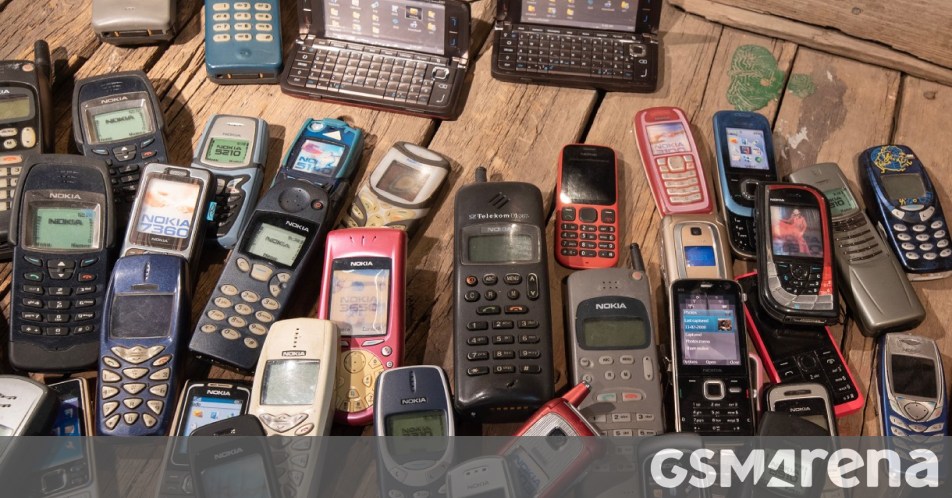
Remember when phones were just for calls and texts? They're back—sort of. Feature phones, once relegated to the bargain bin, are experiencing a revival, especially among younger generations. But is this a genuine trend or just another nostalgic fad, like vinyl records and Polaroid cameras? The answer is more nuanced than you might think. This isn't just about nostalgia; it's a reaction to the smartphone's all-consuming nature. People are craving simplicity, privacy, and a break from constant notifications. In this article, we explore why feature phones are gaining traction, what they offer (and don't), and whether this trend is here to stay or just a passing phase.
The Appeal of Less
The smartphone is a marvel of technology, but it's also a source of stress, distraction, and data harvesting. Feature phones offer a digital detox by design. They strip away the endless apps, social media feeds, and targeted ads, leaving you with just the essentials: calls, texts, and maybe a basic camera. This simplicity is a huge draw for users who feel overwhelmed by the constant connectivity of modern life. Moreover, feature phones are often more affordable, have longer battery life, and are more durable than their smart counterparts. For many, it's not about rejecting technology but about reclaiming control over their time and attention.
Who's Buying Them?
The stereotype of the feature phone user is someone who's tech-averse or elderly, but the reality is changing. A significant portion of the new demand comes from Gen Z and millennials—digital natives who grew up with smartphones. For them, a feature phone is a deliberate choice, not a limitation. They're using them as a secondary device for weekends, or even as their primary phone to escape the social media treadmill. There's also a growing market for 'light phones' and minimalist devices that run on Android but restrict functionality. This demographic is driving the trend, and manufacturers are taking notice, releasing stylish, modern feature phones with premium designs and essential apps like WhatsApp and maps.
What's Driving the Trend?
Several factors are fueling the feature phone comeback. First, there's the growing awareness of digital wellbeing and the negative impacts of excessive screen time. Second, privacy concerns—feature phones collect far less data than smartphones, making them appealing to privacy-conscious users. Third, the cost of flagship smartphones has skyrocketed, making feature phones an attractive budget option. Finally, there's a cultural shift towards minimalism and intentional living. People are questioning what they truly need from their devices. The trend is also being amplified by social media, where influencers tout the benefits of digital detoxes, and by companies like HMD (Nokia) and Punkt that are marketing these devices as lifestyle choices rather than compromises.
The Future of Feature Phones
Are feature phones here to stay? Probably not as a mass-market replacement for smartphones, but they're carving out a sustainable niche. As long as there are people who value focus, privacy, and simplicity, there will be a demand for these devices. We're already seeing innovation in this space: phones with e-ink displays, solar charging, and even hybrid models that allow you to switch between a full smartphone experience and a distraction-free mode. The key will be how manufacturers balance functionality with restraint. If they can offer a device that covers the essentials without the noise, the feature phone could become a permanent fixture in the tech landscape, not just a nostalgic throwback.
Key Takeaways
- Feature phones are appealing to those seeking digital detox and privacy.
- Gen Z and millennials are driving the trend, not just older users.
- The market is evolving with premium, minimalist devices from brands like Nokia and Punkt.
- Affordability and battery life are practical advantages over smartphones.
- The trend is likely to persist as a niche, not a mass-market replacement.
Keep Reading