Glencore's All-Electric Mine Reaches New Depths in Canada
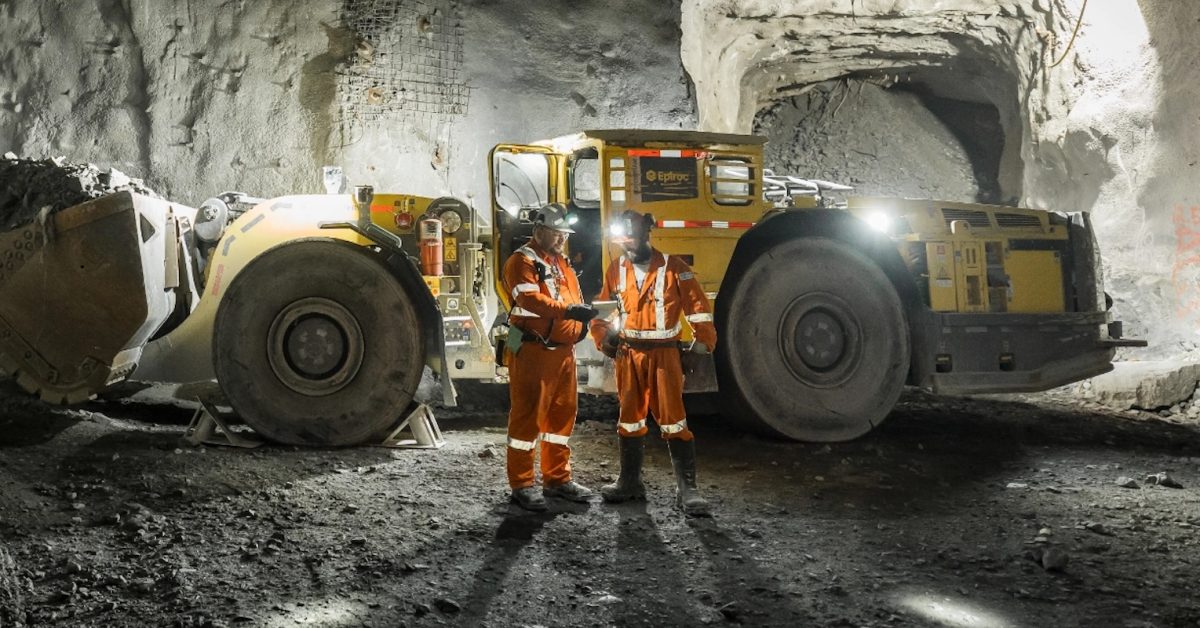
Deep beneath Sudbury, Ontario, lies a treasure trove of high-grade nickel and copper—and Glencore Canada is now tapping into it with an all-electric fleet. The company recently marked a significant shaft development milestone at its Craig Mine, part of the $2 billion Onaping Depth project. By replacing diesel-powered equipment with battery-electric machines, Glencore is not only reducing emissions but also redefining what's possible in underground mining. This move aligns with broader sustainability objectives and Canada's net-zero ambitions, showcasing a future where mining and environmental responsibility go hand in hand.
Milestone at Onaping Depth
Glencore Canada recently welcomed Ontario Premier Doug Ford and other leaders to the Craig Mine to celebrate a key development milestone at the Onaping Depth project. This milestone allows the company to access a new nickel and copper orebody for the first time, marking a crucial step forward. The project, which includes a concentrator and smelter, is a testament to Glencore's long-term commitment to the region. Once fully operational, it will support over 400 permanent jobs and extend nickel production in the Sudbury Basin beyond 2040, ensuring economic stability and resource availability for decades to come.
All-Electric Fleet in Action
The Onaping Depth project features a 23-machine fleet of battery-electric equipment from Epiroc, covering much of the mining cycle. This includes Scooptram ST14 SG loaders for moving broken ore, Minetruck MT42 haul trucks with a 42-tonne capacity, Boomer E2 development drills, Boltec rock-reinforcement machines, Cabletec machines, and Simba production drills. By eliminating diesel emissions, the mine reduces ventilation and cooling requirements, which are traditionally among the largest energy demands in underground mining. This not only cuts operational costs but also significantly lowers the environmental footprint, setting a new standard for the industry.
Why This Matters for the Future of Mining
The shift to battery-electric equipment in mining is more than a trend—it's a necessity. As the world moves toward net-zero emissions, industries like mining must adapt. Glencore's approach demonstrates that heavy-duty operations can be both productive and sustainable. The benefits extend beyond emissions: less ventilation means lower energy use, and electric vehicles often have lower maintenance costs and improved working conditions for miners. This project could serve as a blueprint for other mining operations globally, proving that electrification is viable even in the most demanding environments. With nickel and copper essential for the energy transition, securing these resources responsibly is critical.
Key Takeaways
- Glencore Canada reaches a shaft development milestone at its Craig Mine, unlocking new nickel and copper ore.
- The Onaping Depth project uses a 23-machine battery-electric fleet from Epiroc, covering the mining cycle.
- Electric equipment cuts diesel emissions and reduces ventilation needs, lowering energy demands.
- The $2 billion project will support 400+ jobs and extend nickel production beyond 2040.
- This all-electric approach aligns with Canada's net-zero goals and sets a precedent for sustainable mining.
Keep Reading