Kenya's New Short Code Rules: One Number, Any Network
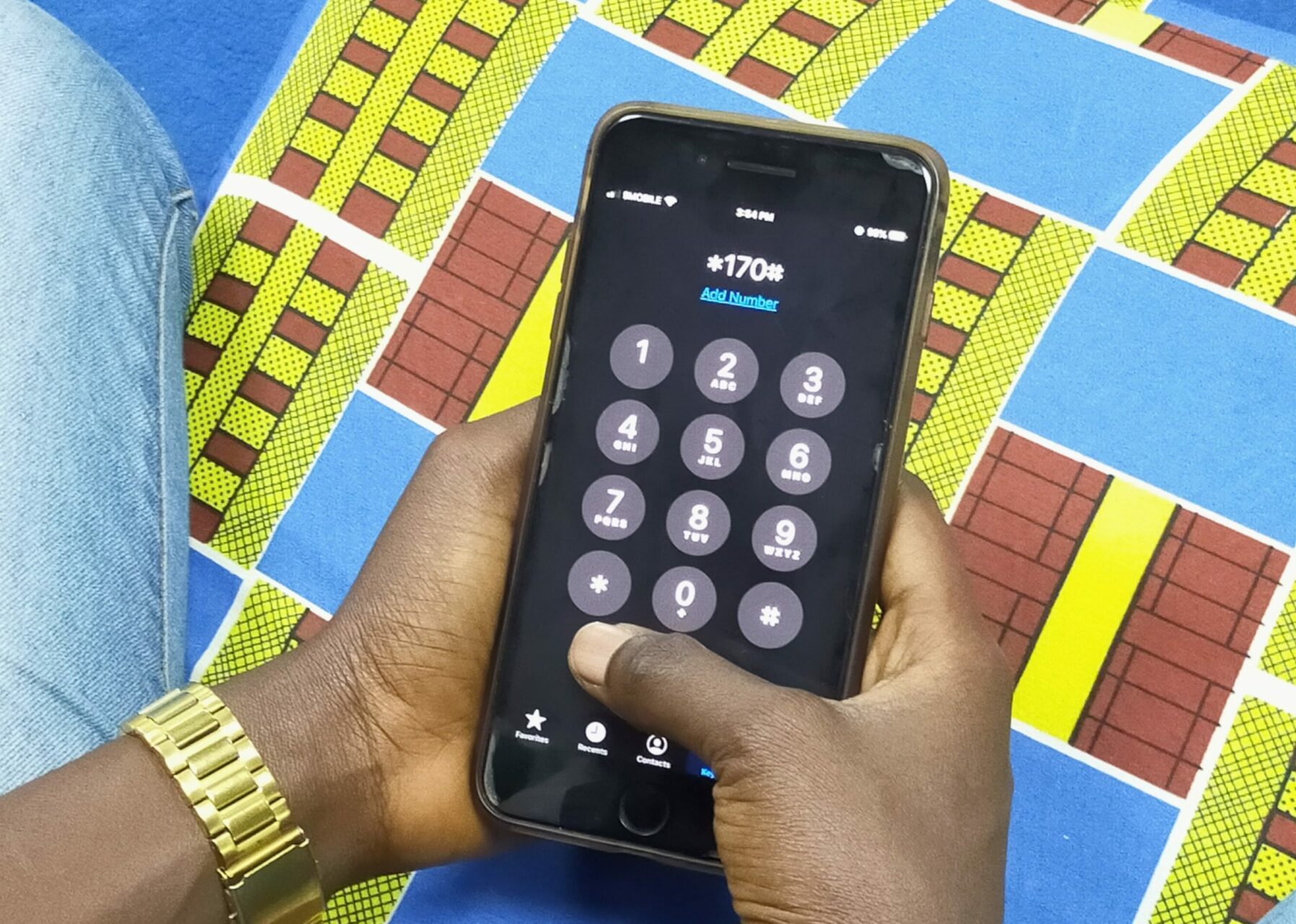
Kenya is overhauling how short codes are assigned, moving from an operator-based system to a service-based one. Announced on September 8, 2026, the new framework means businesses can now use a single short code across Safaricom, Airtel, and Telkom, rather than juggling separate codes for each network. This change simplifies customer communication and reduces confusion, making it easier for services like banking alerts and voting lines to reach everyone, regardless of their mobile provider. The shift is part of a broader regulatory reset as Kenya modernizes its telecom numbering system, recognizing phone numbers as a finite national resource.
What Changes for Businesses
Under the old rules, a service provider often had to obtain different short codes for each mobile operator, complicating advertising and customer experience. Now, one code tied to the service works across all networks. This is a boon for banks sending transaction alerts, schools notifying parents, broadcasters running voting lines, and charities collecting donations. Moreover, content service providers can now apply directly to the Communications Authority (CA) for short codes, including bulk allocations, bypassing the need to negotiate with individual operators. For startups, this removes a significant barrier, enabling them to launch cross-network services from day one.
Broader Telecom Regulatory Reset
The short code overhaul is part of Kenya's wider effort to modernize its telecom regulations. The CA has been updating numbering rules as mobile usage and digital services evolve. In May 2025, the numbering plan listed national short codes for emergencies (112, 999) and the Child Helpline (116). A draft framework proposed harmonizing short codes and repealing older 2012 guidelines. Additionally, the CA is working on rules for recycling inactive phone numbers and considering a new licensing category for data centres. This signals a comprehensive regulatory reset aimed at efficiently managing Kenya's finite numbering resources and fostering digital growth.
What It Means for Kenyans
For ordinary Kenyans, the immediate impact is minimal. Existing short codes allocated under the old system will continue to work until their contractual terms expire, so no one will suddenly lose access to their bank's USSD code. The real change is behind the scenes: new services can now be allocated codes based on their function, not their network. This should lead to a more seamless experience as businesses adopt single codes, making it easier for customers to remember and use services across different networks. Over time, this could enhance competition and service quality, as startups find it easier to enter the market and reach all Kenyans.
Key Takeaways
- Kenya's CA now allocates short codes based on service, not operator, enabling one code across all networks.
- Content providers can apply directly for short codes, reducing reliance on mobile operators.
- Existing short codes remain valid until their terms expire; no immediate disruption for users.
- Part of a broader telecom regulatory reset, including number recycling and data centre licensing.
Source: Techpoint Africa • 🇳🇬 Lagos
Keep Reading


