Kenya's Payments Revolution Can't End With M-Pesa
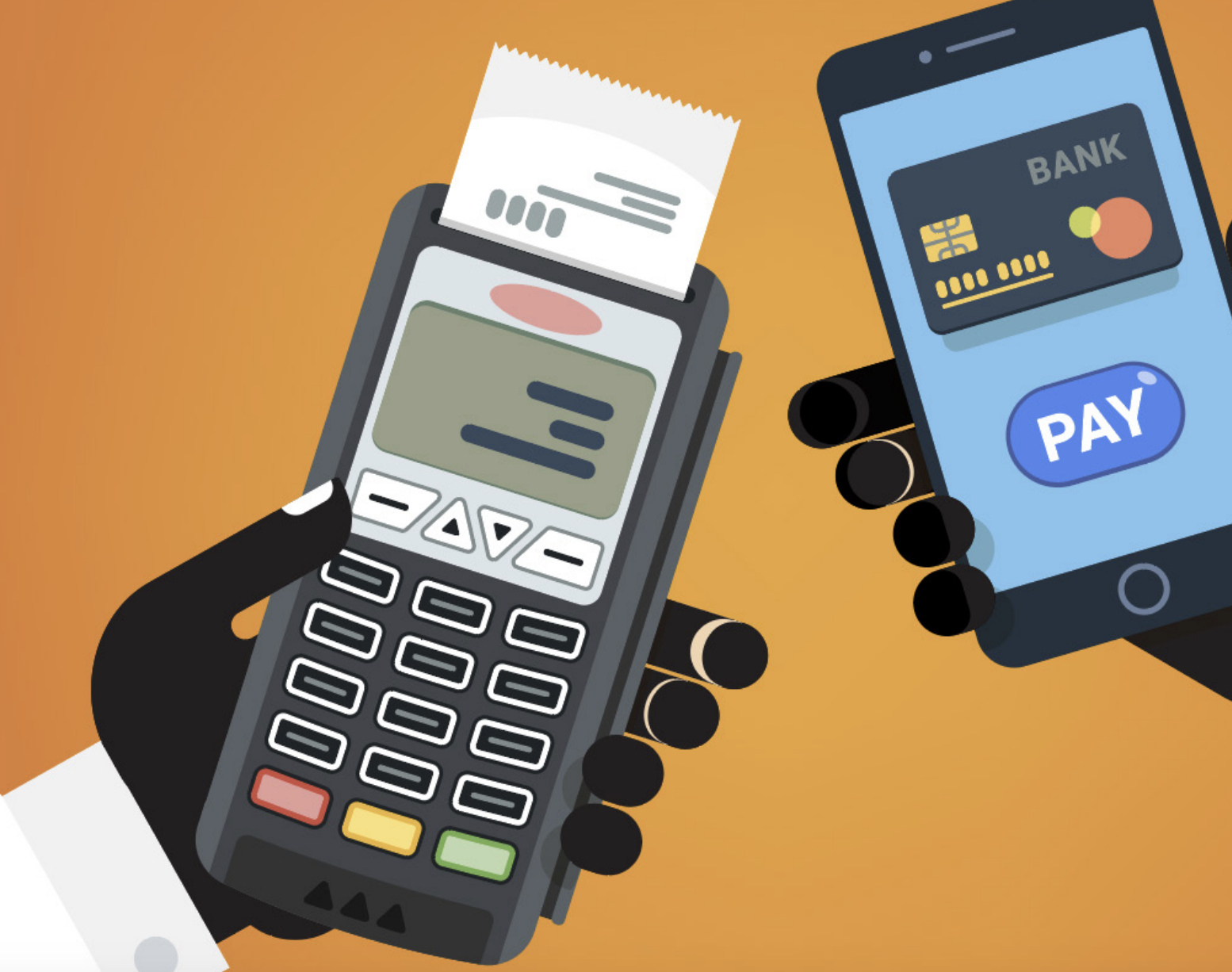
Kenya has spent two decades dining out on mobile money, and it earned every bite. M-Pesa didn't just move money — it rewired how millions of people pay, save, borrow, and do business. But by July 2026, Kenya counted 94.35 million registered mobile-money accounts and KES 728.7 billion ($5.6 billion) flowing through the network in a single month. That success has a trap: payment innovation in Kenya has become synonymous with mobile money. Kenswitch's domestic card scheme is the first serious attempt to ask what comes next.
A Card Economy Already Exists — But It Runs on Foreign Rails
Kenya isn't starting from zero. By July 2026, the country had 13.76 million payment cards, including 11.16 million debit cards, according to the Central Bank of Kenya. There were 56,083 point-of-sale terminals, and merchants processed more than 6.2 million POS card transactions in July alone, worth KES 27.1 billion ($209 million). The problem is that much of the infrastructure allowing those cards to function depends on international card networks. Visa and Mastercard solved an enormously difficult problem: making a card issued by one institution usable across millions of merchants and thousands of financial institutions worldwide. Kenya needs that global interoperability. But why should a Kenyan buying groceries in Nairobi necessarily require the same international infrastructure as a Kenyan paying for coffee in Copenhagen?
India and Saudi Arabia Show What Domestic Schemes Can Do
India launched RuPay in 2012 as its domestic card network, then built the Unified Payments Interface (UPI), creating a broader architecture where banks, fintechs, QR payments, and increasingly cards interact. UPI transaction volumes rose from 5.39 billion in 2018-19 to 131.13 billion in 2023-24, while value jumped from ₹8.8 trillion ($91.8 billion) to ₹200 trillion ($2.09 trillion). India even connected RuPay credit cards to UPI. Saudi Arabia's Mada network processed 7.2 billion POS transactions in 2022, up 40% year-on-year, while online card transactions jumped 76% to 610 million. By 2025, electronic payments represented 85% of Saudi retail payments, with 14.6 billion electronic transactions recorded. The Saudi central bank explicitly attributes part of that expansion to Mada alongside other national payment systems.
The Hard Part Starts After the Launch
Payment sovereignty does not mean disconnecting Kenya from Visa, Mastercard, or other global systems. A domestic scheme that cannot offer consumers reliability, security, and widespread acceptance will fail, no matter how patriotic its branding. Cards become useful because merchants accept them. Merchants accept them because customers carry them. Banks issue them because customers want them. Breaking that circular dependency requires scale, incentives, and extraordinarily reliable infrastructure. A domestic card cannot simply reproduce what existing cards do and expect consumers to care. Nor should its success be measured by how many pieces of plastic banks issue. The more interesting question is whether Kenya can build instant account-to-account payments across every bank and wallet, cheap merchant payments, interoperable QR codes, virtual cards issued in seconds, tokenised payments, tap-to-pay phones, offline payments, and open banking.
Key Takeaways
- Kenya had 13.76 million payment cards and 56,083 POS terminals by July 2026, but much of that infrastructure depends on international card networks.
- India's RuPay and UPI, plus Saudi Arabia's Mada, show domestic schemes can scale when paired with broader payments architecture.
- Kenswitch's domestic card must solve merchant acceptance and consumer trust, not just issue plastic.
- Payment sovereignty doesn't mean cutting off Visa or Mastercard — global interoperability still matters for Kenyans transacting abroad.
Keep Reading


