NHTSA to Tesla: Prove the Cybercab Is Legal, Under Oath
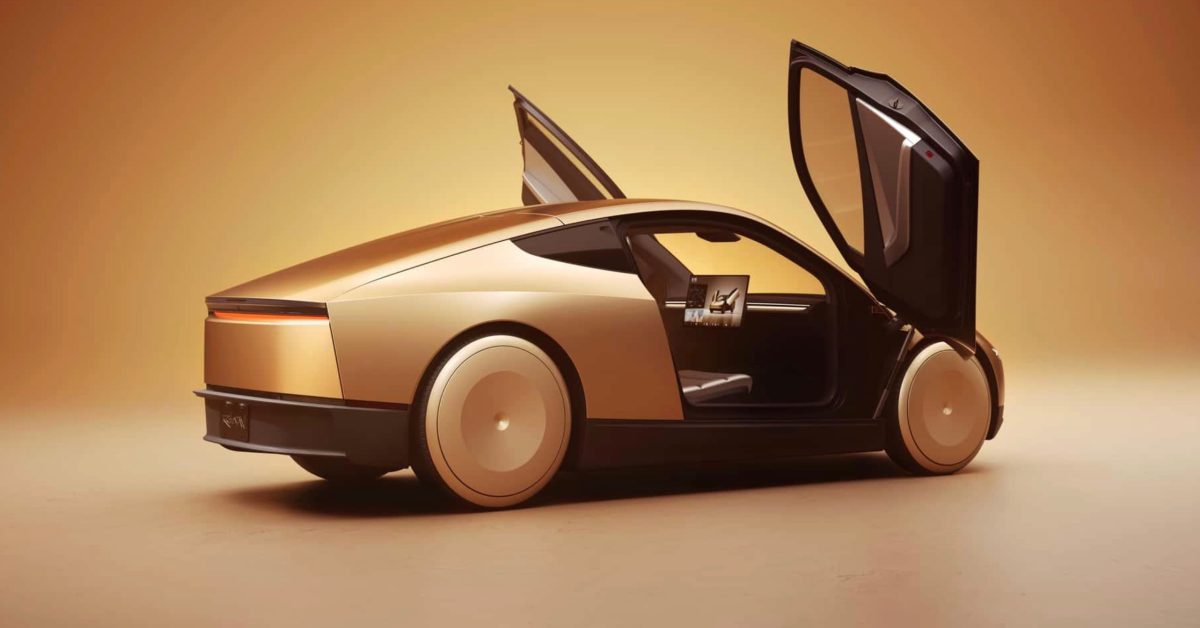
Tesla started charging for Cybercab rides in Austin on September 3. Ten days later, NHTSA didn't just ask questions — it issued a formal Special Order, signed by its chief counsel, demanding sworn answers. The agency wants Tesla to explain how a car with no steering wheel, no pedals, and no mirrors complies with safety standards built around a human driver. Tesla has until September 30.
What Actually Happened
NHTSA issued the Special Order on September 10, escalating from an Audit Query it opened hours after Tesla began commercial Cybercab service in Austin on September 3. The order, signed by NHTSA Chief Counsel Peter Simshauser and addressed to Tesla's head of litigation and associate general counsel for regulatory affairs, contains 21 detailed requests. Tesla must answer under oath by September 30. Failure to answer fully and truthfully carries penalties of up to $139 million. Falsifying or withholding information can bring criminal penalties, including fines or up to 15 years in prison. This is not a request. It is a legal demand.
The Self-Certification Problem
The US doesn't pre-approve vehicle designs. Automakers self-certify that their vehicles comply with all applicable Federal Motor Vehicle Safety Standards, and NHTSA checks after the fact. Tesla certified the Cybercab as compliant with every applicable FMVSS. But most of those standards assume a driver. NHTSA quotes the law back at Tesla: a person may not issue that certification if, exercising reasonable care, they have reason to know the certificate is false or misleading in a material respect. In plain terms, the agency is asking Tesla to defend a certification it suspects can't be defended.
The Sharpest Requests
Request 19 is the most direct. FMVSS No. 135 states: the service brakes shall be activated by means of a foot control. The Cybercab has no foot control. NHTSA notes it has publicly stated that a manufacturer of a vehicle without a foot-activated service brake could not certify to that standard, then asks Tesla to explain how it did. A cluster of requests targets whether the Cybercab can be driven by a human using temporarily attached controls, which Tesla uses, and whether Tesla leaned on those temporary controls to certify compliance. Other requests walk through FMVSS 101 on controls and telltales, 102 on shift-position display, 108 on turn signals, 111 on mirrors, and 126 on stability-control telltales.
The Zoox Contrast and What's Next
Tesla isn't the first to build a purpose-built robotaxi with no steering wheel. In July, NHTSA granted Amazon's Zoox a temporary Part 555 exemption covering eight federal standards, including the foot-brake rule and mirror rules the agency is now pressing Tesla on. That exemption caps Zoox at 2,500 vehicles a year and runs through 2028. Zoox applied, made its safety case, and waited. Tesla certified the Cybercab as already compliant and started charging for rides. Tesla doesn't have a Part 555 exemption. NHTSA's final request asks how the Cybercab is legal to sell without one. Until this is resolved, the Cybercab is limited to small geo-fenced service areas, lower speeds, and routes avoiding railroad crossings.
Key Takeaways
- NHTSA issued a Special Order on September 10 demanding Tesla prove under oath how the Cybercab complies with federal safety standards written for human drivers.
- Tesla has until September 30 to respond; penalties for failing to answer fully and truthfully reach up to $139 million, with possible criminal penalties.
- Request 19 targets FMVSS No. 135, which requires foot-activated service brakes — the Cybercab has no foot control.
- NHTSA granted Zoox a Part 555 exemption in July for a similar no-controls vehicle; Tesla has no such exemption.
- Until the issue is resolved, Cybercab service is limited to small geo-fenced areas, lower speeds, and routes avoiding railroad crossings.
Keep Reading