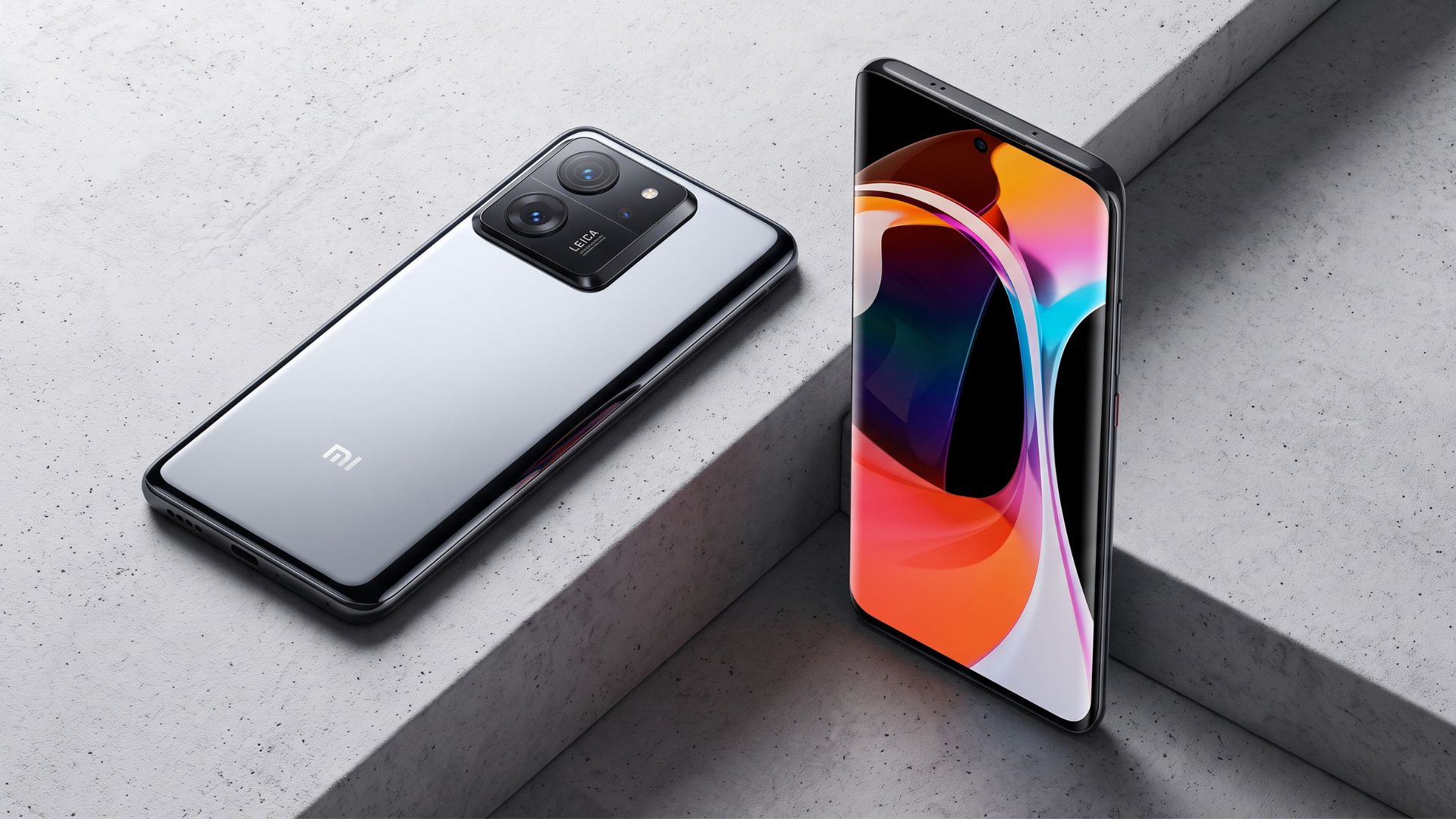
Nigeria's Phone Registry Could Make Smartphones Pricier

Nigeria wants every phone in the country to be traceable. Under the Nigerian Communications Commission's Device Management System, SIM-enabled devices must be registered by IMEI before sale or network connection. The goal is to weed out stolen, cloned, and unapproved imports. But in a market where phones are the main gateway to the internet, tighter controls could squeeze the very people they aim to protect.
What the DMS Actually Requires
Licensed importers must secure NCC type-approval, upload IMEI numbers and purchase invoices to the DMS portal, pay a validation fee, and obtain a pre-authorisation QR code. That document is then verified by the Nigeria Customs Service for duty assessment before the device is whitelisted for network use. The first phase focuses on registering existing stock and onboarding devices imported from now on. The NCC has said phones not duly registered will not be permitted to operate on Nigerian networks. Edoyemi Ogoh, the NCC's director of technical standards and network integrity, framed the registry as a compliance tool for type approval requirements.
The Price Question Nobody Can Ignore
The commission has discussed validation charges of about ₦670 ($0.51) per IMEI for lower-cost devices and slightly above ₦3,700 ($2.80) for high-end handsets. Those numbers look small next to premium phone prices. But in a market where a few thousand naira decides whether someone buys a basic phone or nothing, every naira counts. A senior official involved in stakeholder engagements argued importers, not consumers, should absorb the fee. The bigger fear, the official said, is that importers could use the charge to justify much larger increases, adding ₦15,000 ($11.28) or ₦20,000 ($15.05) to a device.
Small Traders and Repairs Face the Squeeze
Nigeria's device market runs on more than multinationals and established distributors. It includes traders, repair technicians, refurbishers, and micro-importers. Some bring in only a handful of devices at a time. Others keep older handsets alive through repairs. The NCC's position is that small scale does not remove the need for compliance. But those obligations are far easier for large importers to absorb than for traders on thin margins. Used and repaired phones add another complication: a legitimate repair that changes a phone's IMEI could cause problems if the resulting identity is treated as suspicious or unrecognised.
Why This Matters Beyond Telecom
In Nigeria, mobile devices are the primary gateway to the internet. According to GSM Association research, more than 140 million Nigerians lived in areas with 3G, 4G, or 5G coverage but did not use mobile internet in 2025, largely because they could not afford an internet-enabled smartphone or lacked digital skills. Today a phone is a bank branch, an identity document, a point-of-sale terminal, a schoolbook, and a work tool. Any policy that changes the cost or availability of devices sends shockwaves through the entire digital economy. The DMS will be judged by whether it cuts illegal imports without making legitimate phones harder to buy, sell, and repair.
Key Takeaways
- Nigeria's DMS requires IMEI registration and a pre-authorisation QR code before devices can connect to networks
- Validation fees are modest per device, but importers could inflate retail prices far beyond the actual charge
- Small traders, repair shops, and refurbishers face compliance burdens that larger importers can absorb more easily
- Over 140 million Nigerians with mobile coverage still don't use mobile internet, largely due to device affordability
Keep Reading