Oil Shock, Power Bills Rising: Why EVs and Solar Are Your Hedge
A drone strike just took out Saudi Arabia's East-West oil pipeline, yanking roughly 5 million barrels a day offline and pushing Brent crude above $104. Meanwhile, US city electricity prices have jumped from about $0.13 per kilowatt-hour in 2020 to roughly $0.20 today. Two energy crises, both trending up, and neither one is waiting for your permission. The question is what you can actually do about it.
The Oil Buffer Is Gone
The East-West line, also called Petroline, is how Saudi Arabia ships crude to the Red Sea while skipping the Strait of Hormuz. With Hormuz already choked and Houthi pressure squeezing Red Sea shipping, that bypass was one of the last shock absorbers in the oil market. Now it's offline too. One analyst quoted in the source put it plainly: the buffers that carried the market through the past six months have basically been worn away. If you drive a combustion car, your only response is to pay whatever the pump demands.
Your Utility Bill Is the Quiet Crisis
US city average power prices hit roughly $0.20 per kilowatt-hour, up more than 50% from around $0.13 in 2020, and the line has gone nearly vertical since 2022. The EIA expects wholesale power prices to climb another 23% in 2025 and 8.5% in 2026, driven by natural gas costs and surging demand. The biggest new demand source isn't households. Data centers and crypto mining account for about two-thirds of projected US electricity sales growth for 2026, according to the EIA. Utilities are passing new generation and transmission costs onto residential ratepayers.
Choice Is the Real Feature
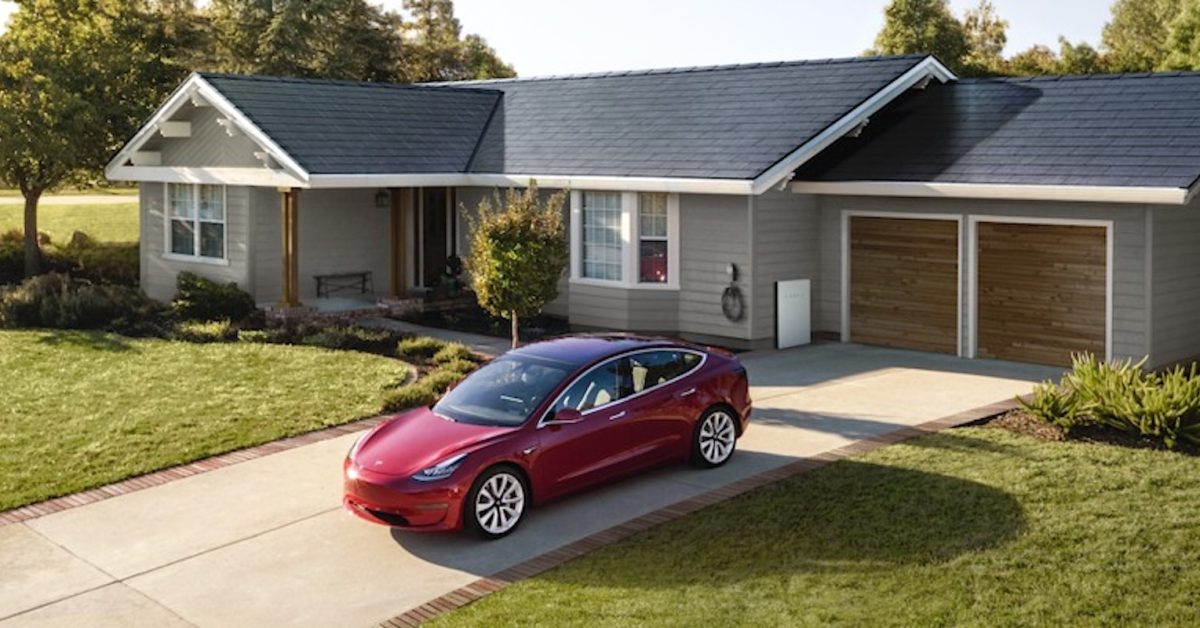
An EV can charge from the grid when rates are low, from rooftop solar for close to nothing, or from a battery filled overnight on an off-peak plan. A gas car has one option: the pump. Pair solar with storage and you lock in your cost of energy for 25 years while everyone else rides the rate escalator. Then vehicle-to-home closes the loop. A Chevy Silverado EV with GM's charger can power an average home for up to 21 days. The Ford F-150 Lightning, GM's Ultium lineup, the Kia EV9, the Tesla Cybertruck, and the new Model Y Performance all support powering a home, and PG&E's expanded V2X program offers up to $17,000 in incentives.
Key Takeaways
- A drone strike on Saudi Arabia's East-West pipeline knocked roughly 5 million barrels a day offline, pushing Brent crude above $104.
- US city electricity prices have climbed from about $0.13/kWh in 2020 to roughly $0.20, with the EIA projecting further wholesale increases.
- Data centers and crypto mining account for about two-thirds of projected US electricity sales growth for 2026.
- An EV plus home solar and storage gives you multiple energy levers a gas car simply doesn't have.
- Vehicle-to-home charging from EVs like the Silverado EV and F-150 Lightning can keep a house powered during outages.
Keep Reading