Why Foldables Lost Their Magic for This Longtime Fan
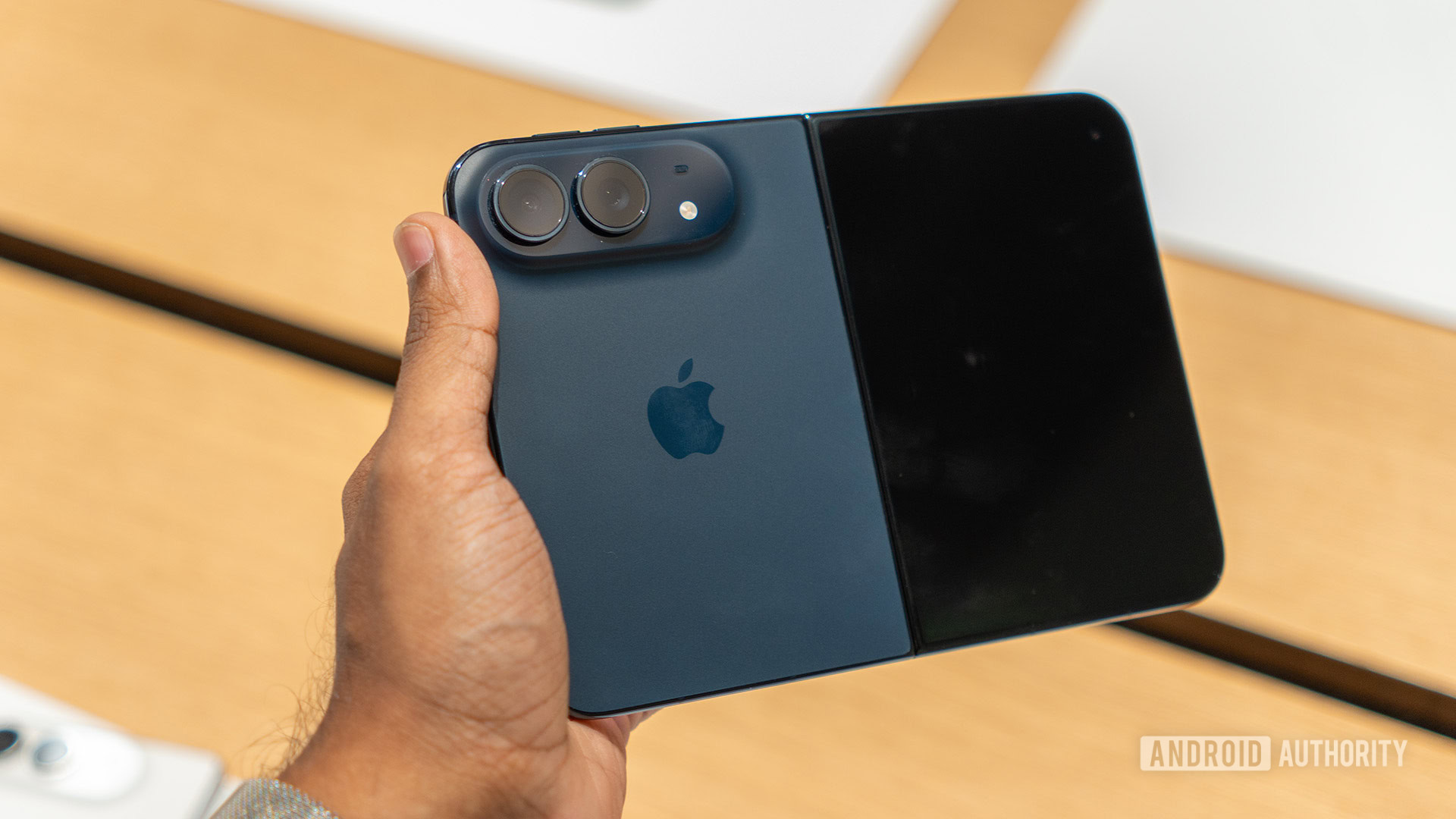
Foldable phones have divided users into two camps: those who can't go back to a regular slab, and those who just don't want their phone folding in half anymore. Android Authority's Karandeep Singh falls firmly into the second camp. After living with book-style foldables, he found that the productivity promise rarely materialized, while the mental cost of merging work and personal life into one device became harder to ignore. His solution is counterintuitive: use more screens, not fewer.
The Productivity Promise That Rarely Pays Off
Book-style foldables are marketed as productivity powerhouses that combine a phone and a tablet into one. Singh was drawn in by that pitch, but after the novelty faded, he realized he needed to open two or more apps at once only a couple of times a month. The convenience was real but too infrequent to justify the compromises. His critique isn't about hardware shortcomings like fewer cameras or fragile exteriors. It's more fundamental: he questions why anyone would deploy complicated, delicate, and expensive mechanics to do two things at once when the device doesn't clearly excel at either.
One Device, Too Many Roles
The deeper problem is psychological, not mechanical. When work Slack pings while you're reading in bed, or a WhatsApp group buzzes during a busy Tuesday, the phone becomes a source of constant context-switching. Singh says merging work, play, and rest into a single device has exacted a real mental toll. He tried digital wellbeing tools across platforms, but software friction is easy to bypass once your fingers build muscle memory. The strongest signal that work is over, he found, is physically shutting a laptop or switching to a different device entirely.
Compartmentalized Computing: More Screens, Less Phone
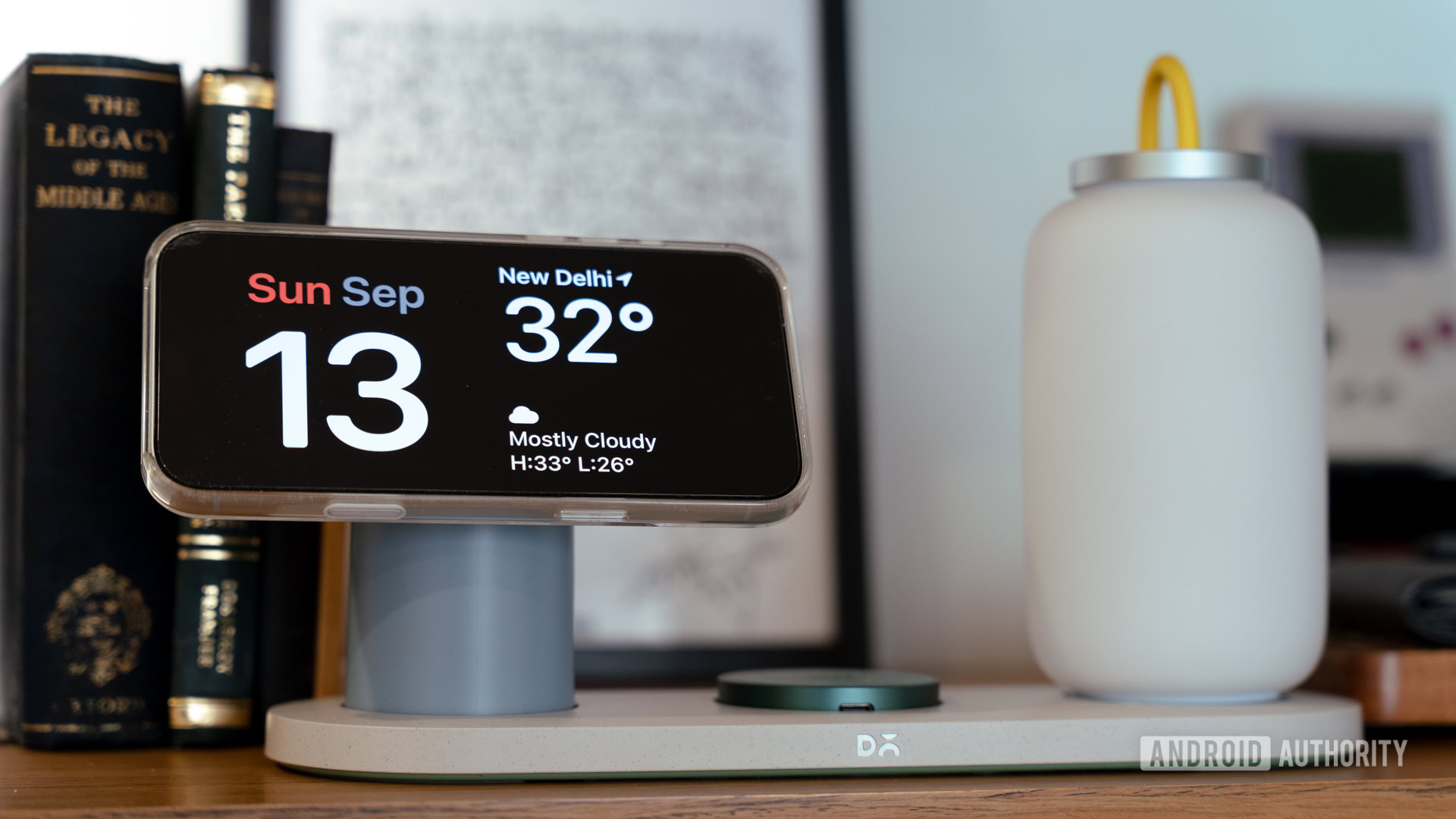
Singh's answer is what he calls compartmentalized computing. He restarted wearing a smartwatch so he can leave his phone behind and only pick it up for things that need immediate attention. His tablet is dedicated to games, movies, magazines, and ebooks, with no work or social media apps installed. His desk setup, a laptop connected to a monitor, is reserved for work and important tasks like booking a flight. He doesn't want every device to do exactly one thing, but he does want each device to have a consciously chosen purpose. Book-style foldables, in his view, sit awkwardly in a compromised gray area.
Key Takeaways
- Book-style foldables promise phone-tablet convergence, but one user found the multi-app productivity moments too rare to justify the trade-offs.
- Merging work, social, and rest into one device can create a mental toll that software wellbeing tools struggle to fix.
- Physically switching devices creates stronger boundaries than relying on apps and features you can bypass out of habit.
- A smartwatch, a dedicated tablet, and a work-only desk setup can reduce compulsive phone use by adding friction.
- Flip phones get a pass for saving space, but battery performance remains a concern compared to standard handsets.
Source: AndroidAuthority • 🌍
Keep Reading