iPhone 18 Pro Review: Cooler, Faster, and Proudly Boring
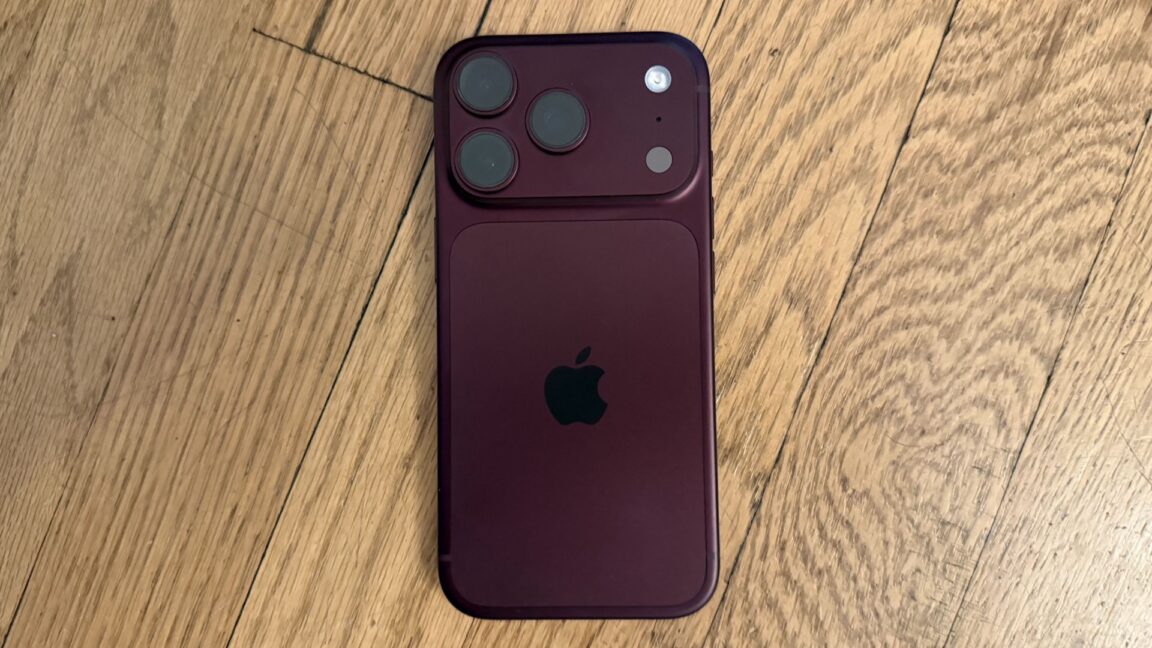
Apple's iPhone 18 Pro is not the flashy one this year. According to Ars Technica's review, the spotlight belongs to the iPhone Duo, while the Pro quietly doubles down on being an everything-and-the-kitchen-sink workhorse. The headline upgrades are under the hood: a 2nm A20 Pro chip, a larger vapor chamber, and a proprietary C2 modem that together deliver noticeably better thermals and battery life. It's the quintessential Tim Cook-era iPhone: practical, pricey, and polished to a high standard.
Thermals and Battery: The Real Story
The most welcome change in the iPhone 18 Pro is heat management. Apple enlarged the vapor chamber introduced last year and re-architected the chip packaging, placing the system-on-a-chip next to memory instead of stacked on top. The result is a phone that stays cooler in everyday use and sustains performance longer. Ars Technica's reviewer, coming from an iPhone 16 Pro, noticed the absence of the frequent heat issues that plagued older models. Battery life also improved: Apple claims up to 36 hours of offline video playback on the 18 Pro, up from 33 hours on the 17 Pro. The proprietary C2 cellular modem, which uses less energy than the Qualcomm modem in the 17 Pro, contributes to that gain. Wireless charging now supports up to 25W.
A20 Pro Chip: 2nm and AI-Ready
The A20 Pro chip moves from a 3-nanometer to a 2-nanometer process node. It retains a 6-core CPU and a 7-core GPU, but each GPU core now includes a Neural Accelerator for GPU-based AI workloads. Apple also doubled the Neural Engine to 16 cores and claims the widest memory interface ever in an iPhone, with 50 percent more bandwidth. Ars Technica speculates this headroom is partly padding for future AI features that may not run on the 16 Pro or 17 Pro. Benchmark charts show a notable graphics performance jump, though few games currently use hardware-accelerated ray tracing. The practical takeaway: the 18 Pro is absurdly fast, but the AI-focused upgrades may matter more down the road.
Design and Display: Smaller Island, Same Formula
The iPhone 18 Pro looks and feels like last year's flagship. The main design tweak is a smaller Dynamic Island, achieved by moving the IR camera underneath the OLED panel in the top-left corner. A new pixel arrangement lets infrared light pass through that spot while those pixels run at twice the brightness to compensate for lower density. The result is a less obtrusive cutout that can now show up to three live activities at once, or more information on a second activity when two are displayed. The review unit's burgundy color is appealing but a fingerprint magnet. Otherwise, the phone is a function-over-form design with good materials, and the Pro line is now positioned as the practical workhorse rather than the cool, experimental one.
Cameras: More Control, Same Hardware
The camera system remains a triple-48 MP rear setup paired with an 18 MP front camera, same as the iPhone 17 Pro. The new variable aperture, which adjusts automatically by default, can be manually tweaked for granular control. Photographic Styles 3 adds texture options—film, glow, soft skin, and standard—allowing the built-in Camera app to better compete with third-party apps that offer film-like looks. Ars Technica notes that these additions address long-standing complaints that iPhone cameras were too opinionated, giving users more control without alienating point-and-shooters. For most people, the improvements are incremental, but they make a good camera system more flexible.
Key Takeaways
- The iPhone 18 Pro's biggest upgrades are better thermals, longer battery life, and a 2nm A20 Pro chip.
- A smaller Dynamic Island and new camera controls are nice, but the design is largely unchanged from the 17 Pro.
- The proprietary C2 modem and larger vapor chamber contribute to cooler operation and improved endurance.
- If you already have an iPhone 17 Pro, there is little reason to upgrade this year.
Source: Ars Technica • 🇺🇸 San Francisco
Keep Reading