No, You Don't Have Two Brains—Here's What the Science Actually Says
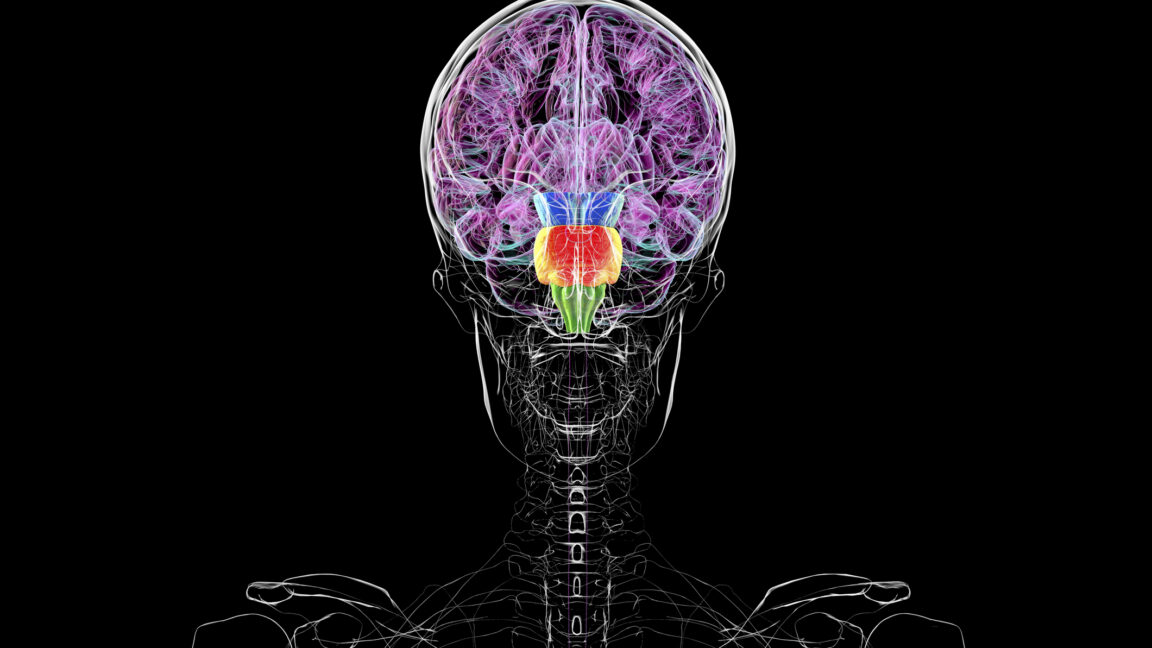
Headlines last week told you that you might have two brains. You don't. The claim traces back to a single university press release, and the real paper underneath it is far more interesting. It's about how a flat sheet of embryonic cells figures out which part of the nervous system to become—and why getting those identities right early is essential for building something as complex as a vertebrate brain.
What the Research Actually Showed
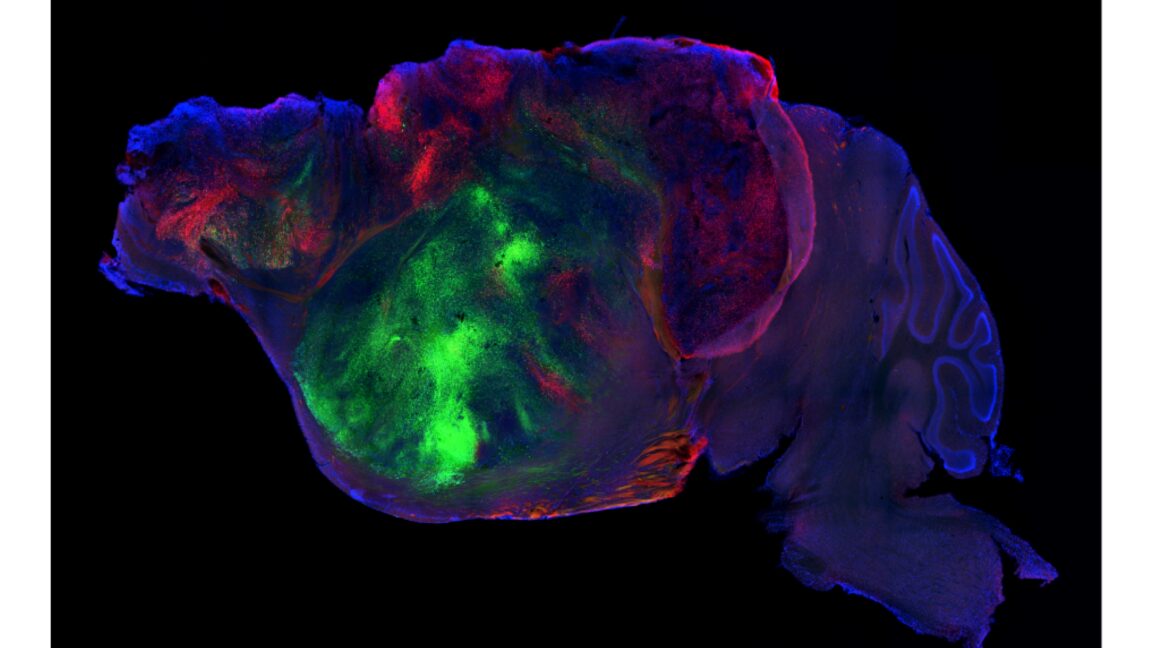
The study builds on decades of work showing that early ectoderm activates two genes—one in the front half of the embryo, one in the back—so nerve cells inherit at least crude positional information from the tissue they came from. Researchers engineered mice so half the early ectoderm glowed red and half glowed cyan, then tracked those colors as nerve cells formed. The hindbrain glowed red; the rest of the brain glowed blue. In follow-up experiments, single-cell labeling showed that in 96 percent of cases, descendants of one cell ended up either all in the hindbrain or all in the midbrain and forebrain. Human stem cells showed similar behavior when exposed to the right signals.
Why Segment Identity Matters So Much
The vertebrate nervous system develops in four major segments: forebrain, midbrain, hindbrain, and spinal cord. Establishing those identities early isn't cosmetic—it changes how cells interpret signals. Early on, nearly the whole neural tube sees the same two cues: sonic hedgehog diffusing from the bottom and BMPs from the top. But midbrain cells respond differently to BMPs than spinal cord cells do. That inherited developmental history lets a small number of signals generate enormous complexity, and it lets the same molecules be reused for different jobs at different times—first telling cells whether to become neurons, later guiding their identity and migration.
What Remains Uncertain
The 96 percent exclusivity isn't 100 percent, and it's unclear whether that's an experimental limitation or reflects real flexibility at the border between front and back ectoderm. The midbrain-forebrain boundary seems to arise later, largely through diffusible signaling molecules. And very little is known about how the hindbrain and spinal cord adopt different fates—the paper cites just one reference on the topic. The broader takeaway is that developmental biology works by tracing lineage and signaling step by step, not by reading dramatic claims off a press release.
Key Takeaways
- You have one brain with several distinct regions—not two brains.
- Early embryonic cells inherit positional information from the ectoderm they form from, setting up the hindbrain versus the rest of the brain.
- Segment identity established early lets the same signals trigger different responses in different parts of the nervous system.
- Single-cell tracing showed 96 percent of labeled cell descendants stayed exclusively in either the hindbrain or the midbrain/forebrain.
- How the hindbrain and spinal cord diverge remains poorly understood.
Source: Ars Technica • 🇺🇸 San Francisco
Keep Reading