Starship's First Real Orbit Shot Is Set for Sept 22
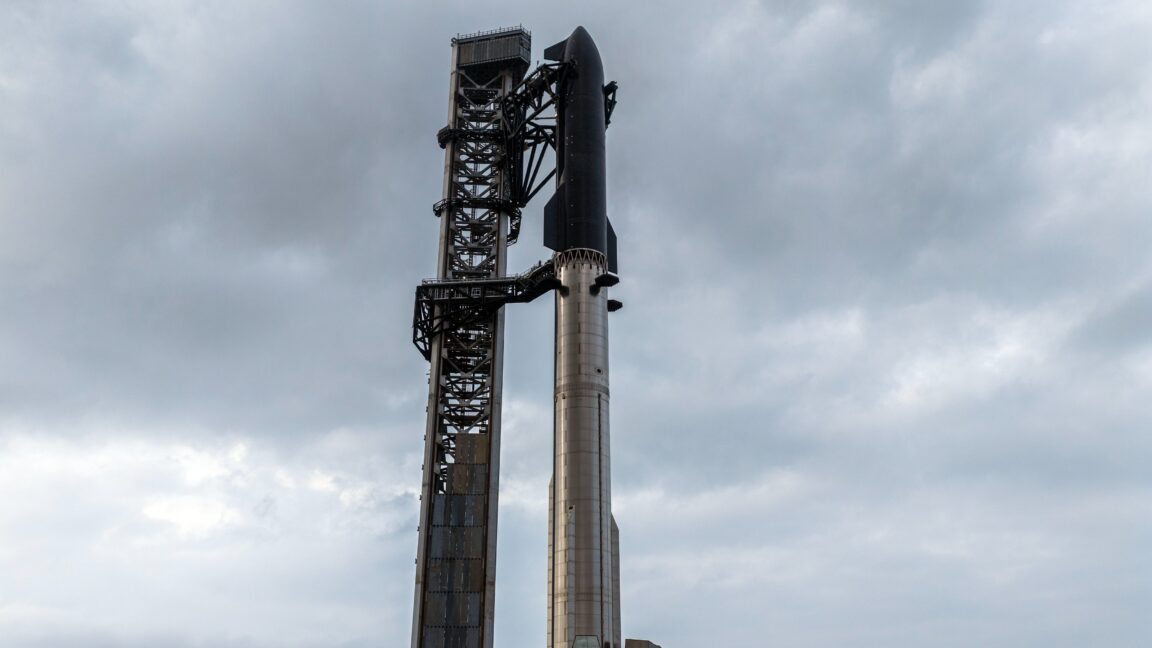
Starship has spent years flirting with orbit. Now SpaceX is naming a date. Pending regulatory approval, the company says its 14th Starship mission could lift off as early as September 22 from Texas, targeting a 7:15 am local window. This isn't just another test flight — it's the first time the vehicle will actually try to reach orbit and deploy operational payloads.
What's Actually Happening
SpaceX has set a target liftoff of 7:15 am local time in Texas (12:15 UTC) on September 22, with a 75-minute launch window. Sunrise in Brownsville is 7:17 am CT, so the timing could produce striking imagery. The Super Heavy booster will carry 26 of the larger V3 Starlink satellites toward an orbit 275 km above Earth. According to SpaceX's website update, the Starship upper stage will seek to complete six orbits before finishing its mission after about 10 hours. This is the 14th Starship mission and the first orbital attempt.
Why This Flight Matters
Reaching orbit would mark a significant milestone in a development campaign that began with a first test flight on April 20, 2023, and has progressed in fits and starts. It also shifts Starship from experimental testbed toward a vehicle that can deploy real payloads. The V3 Starlink satellites are significantly more capable than the V2 mini satellites launched on Falcon 9, and they'll use onboard propulsion to raise their orbits. If this works, SpaceX moves closer to a fully reusable, super heavy lift rocket — the kind of capability that changes launch economics globally.
The Booster and Heat Shield Fixes
The most recent test flight on July 24 saw the first stage perform nominally during ascent, but problems emerged after a successful boostback burn. SpaceX said the three center engines showed signs of ice clogging in the terminal phase of the burn, triggering an early end to the maneuver. The booster attempted a landing burn with 8 of 13 planned engines reigniting before a hard splashdown in the Gulf. This upcoming Super Heavy has hardware modifications to improve engine filtering and software changes to enhance relight reliability. It won't return to the launch site — instead it will attempt a controlled Gulf landing, potentially setting up a first-stage catch on a subsequent flight. The upper stage won't return to Texas either; SpaceX wants more heat shield data. Upgrades include additional tile retention mechanisms, fixes for plasma flow paths behind tiles, and curved tile designs that reduce gap heating. Two tiles from Ship 40 will be reflown on Ship 41 — the first tile reuse for Starship.
Key Takeaways
- SpaceX targets September 22 for Starship's first orbital attempt, pending regulatory approval.
- The mission will carry 26 V3 Starlink satellites to a 275 km orbit and attempt six orbits over about 10 hours.
- Super Heavy has new filtering hardware and relight software after July's ice-clogging issue; it will aim for a controlled Gulf splashdown.
- Heat shield upgrades include better tile retention and curved tiles, with the first-ever tile reuse from Ship 40 to Ship 41.
- Success would move Starship closer to a fully reusable super heavy lift rocket and operational payload deployment.
Source: Ars Technica • 🇺🇸 San Francisco
Keep Reading