Paystack's $200M Stripe Bet Now Needs Deposits to Win
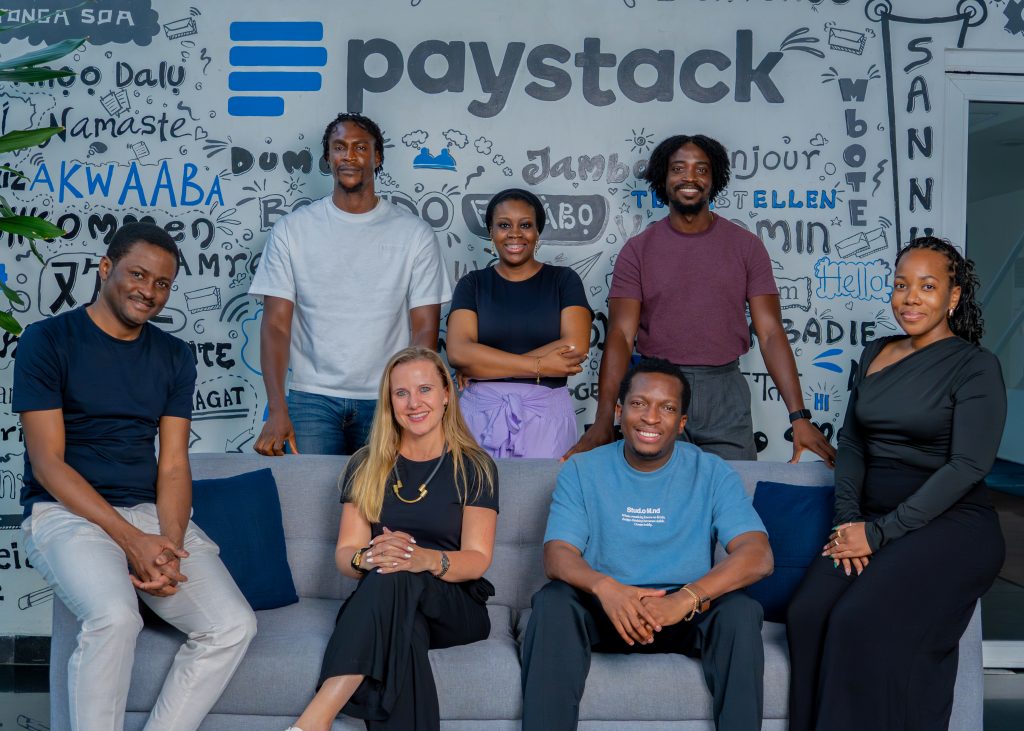
In October 2020, Stripe agreed to buy Lagos-based Paystack for $200 million — the largest acquisition of a Nigerian startup. Paystack had 60,000 customers and a simple model: take a cut every time a business collected payment online. Six years on, that company looks different. It owns a microfinance bank, runs a consumer app, and is learning a harder business: keeping money, not just moving it.
From moving money to keeping it
Paystack's original model charged 1.5% plus ₦100 per transaction, capped at ₦2,000 — so a ₦10,000 order earned it ₦250, about 19 cents. That income only arrives when money moves. A bank that holds deposits can lend or invest them at a higher rate than it pays, earning income as long as balances stay. Brazil's Nubank ended 2025 with $41.9 billion in deposits and made $2.9 billion. Worldwide, interest made up 46% of payments revenue in 2024, according to McKinsey. The lesson is clear: deposits are stickier than transactions.
Stripe's backing bought reach — and currency risk
Paystack spent Stripe's backing on expansion, now serving businesses in Côte d'Ivoire, Ghana, Kenya, Nigeria, and South Africa, with approvals in Egypt and Rwanda, plus an engineering hub in Dubai. But reach brought volume in weak currencies against costs in dollars. By November 2023, the naira had lost more than half its value since June that year, and the Kenyan shilling had fallen almost 20% in twelve months. Paystack laid off 33 employees in Europe and the UAE. That same year, bank transfers hit 34% of its Nigerian payments, up from 12% in 2021.
A fine, a bank, and the deposit race
In March 2025, Paystack launched Zap, its first consumer app, with deposits held at Titan. By end of April, the Central Bank of Nigeria fined it ₦250 million. A person with knowledge said the regulator found Zap was run as a wallet, which Paystack's payments licence did not cover. Zap later won approval, and in January 2026 Paystack bought Ladder Microfinance Bank, then created The Stack Group. It also bought Brass and Allawee, folding their business accounts into Paystack MFB. The microfinance licence lets it take deposits, lend, and earn interest. But compared with Moniepoint, which says it serves more than 6 million active businesses in person, Paystack starts with a deficit. Its strength was online checkout — not the agent networks that turn payments customers into depositors.
Key Takeaways
- Stripe bought Paystack for $200M in 2020 when it had 60,000 customers and a transaction-fee model.
- Currency devaluations in Nigeria and Kenya eroded dollar earnings, forcing layoffs and a strategy shift.
- A ₦250M fine in 2025 showed Paystack's payments licence didn't cover wallet-style deposits.
- Buying Ladder Microfinance Bank and creating The Stack Group lets Paystack take deposits and lend.
- Paystack lacks the agent networks that Moniepoint, OPay, and PalmPay used to win in-person depositors.
Keep Reading


