AI Industry: Trump's Chip Tax Could 'Doom' US AI Ambitions
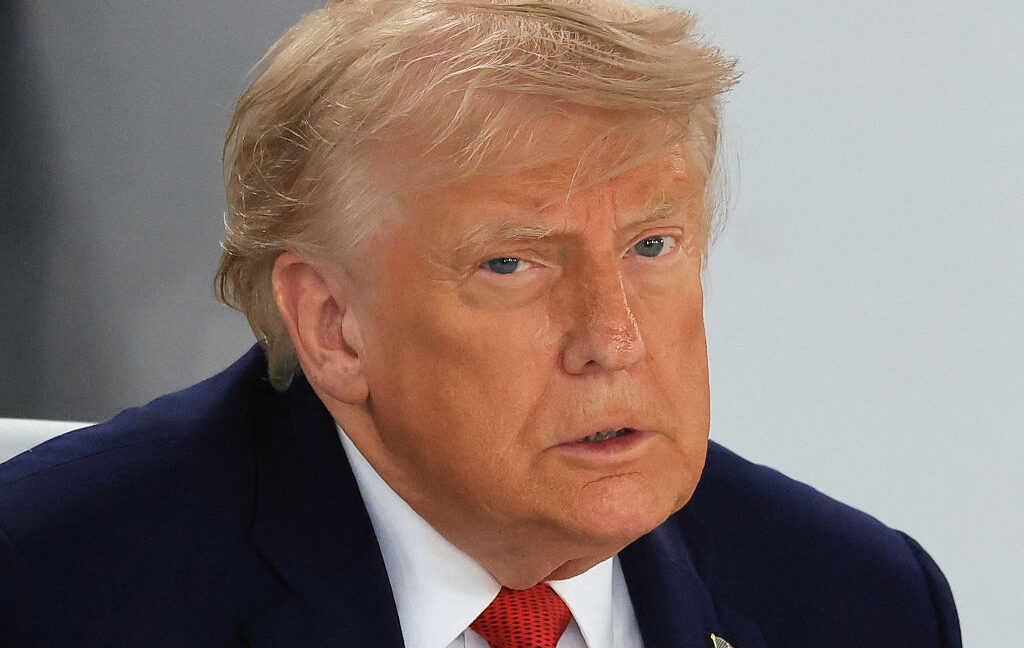
The Trump administration is reportedly considering a wide range of new semiconductor tariffs that the tech industry fears could 'doom' AI innovation in the US. According to a Politico report, the tariffs could hit not just chips but also downstream products like gaming consoles and servers, potentially taxing even used goods. Trade groups warn this approach would be ruinous, costing the US about $90 billion annually in GDP and delaying roughly 20% of planned data center projects through 2030. The timing is particularly bad, as the global chip shortage is expected to persist into 2027, and the US is scrambling to scale AI infrastructure.
Why This Tariff Approach Is Counterproductive
The tech industry argues that taxing data centers on chips during a critical buildout phase is counterproductive. Domestic chip plants take years to build, so firms remain dependent on imported semiconductors. As one tech official put it, 'This may be the single dumbest way imaginable to pursue American dominance in AI.' The tariffs could drive data center development outside the US, directly contradicting the administration's goal of reshoring. The CCIA estimates that the tariffs could cost $90 billion in GDP and delay 20% of data center projects, while also raising consumer prices for smartphones, laptops, and other devices, slowing AI adoption at a pivotal moment.
The Administration's Plan and Industry Pushback
Commerce Secretary Howard Lutnick is reportedly favoring a system that allows a set volume of duty-free chip imports, tied to companies' pledges to produce on American soil. However, critics warn this could widen the gap between duty-free supply and actual needs. One tech representative noted that the proposed volume wouldn't even cover hyperscalers, let alone the rest of the industry. The tech industry has launched a lobbying blitz to secure exemptions, but talks have 'trended in a negative direction.' The CCIA suggests that if tariffs are inevitable, they should be lower (10% instead of 25%) and exclude products with minimal semiconductor content, or use a de minimis threshold to avoid double taxation.
What's at Stake for AI and Consumers
The tariffs could have wide-ranging ripple effects, from higher prices on everyday devices to delayed product launches, limiting Americans' access to AI-powered tools. As the CCIA's letter warned, 'AI only delivers on its promise when people can actually use it.' The global data center buildout is already straining chip supplies, with Gartner forecasting semiconductor revenue to reach $1.6 trillion in 2026. Tariffs would only increase chip prices, potentially benefiting Chinese firms as suppliers pivot away from the US market. The tech industry hopes the administration will recognize the inherent tension: taxing the very chips needed for AI infrastructure will not boost domestic production in time, but will instead slow US progress.
Key Takeaways
- Proposed semiconductor tariffs could cost the US $90 billion in GDP and delay 20% of data center projects.
- The tariffs risk raising consumer prices and slowing AI adoption, undermining US leadership.
- Domestic chip production can't scale quickly enough, so tariffs will raise costs without immediate reshoring benefits.
- The administration is considering a volume-based duty-free allowance tied to domestic investment, but critics say it's insufficient.
- Industry is lobbying for exemptions, but talks are trending negatively.
Source: Ars Technica • 🇺🇸 San Francisco
Keep Reading