Medieval Manuscripts Reveal Ancient Sheeppox DNA
Medieval manuscripts are more than historical records—they're biological time capsules. A new study in Science Advances reveals that DNA from the deadly sheeppox virus can be extracted from the animal skins used as parchment. By sequencing these ancient genomes, researchers have reconstructed how the virus evolved over millennia, linking its history to the domestication of livestock. This discovery opens the door to mining global archives for genetic traces of past diseases, transforming our understanding of infectious diseases and their impact on human societies.
Parchment as a Genetic Repository
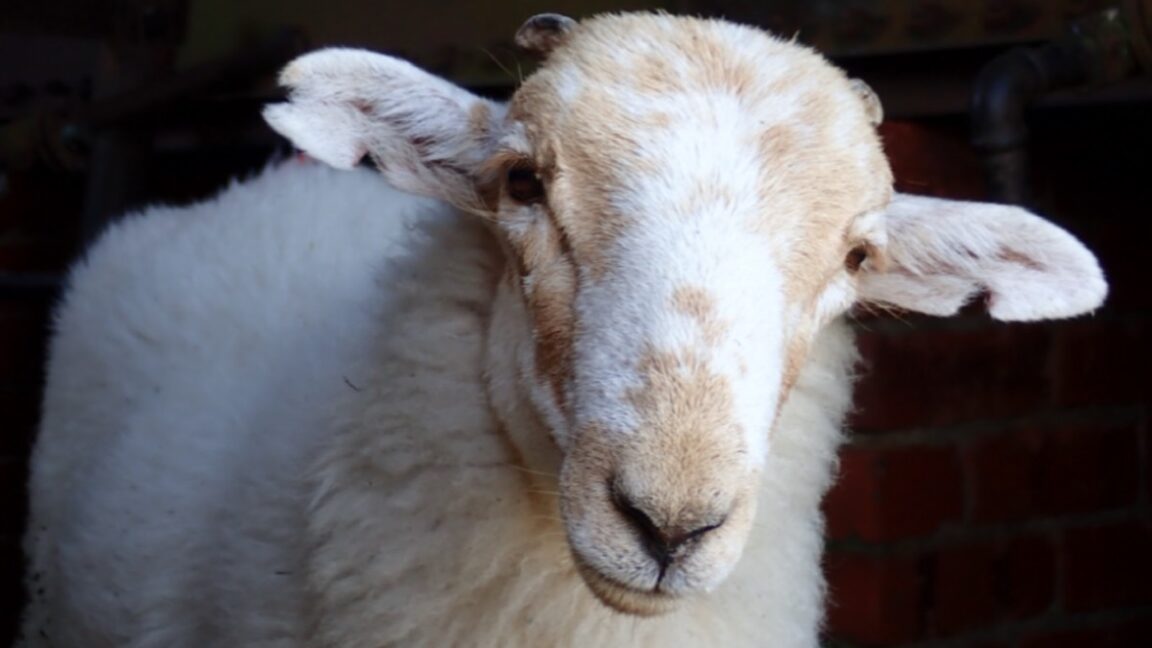
Parchment, made from animal skins, has preserved not only texts but also the DNA of the animals used. The team collected samples from manuscripts in libraries across Europe, including Yale, Cambridge, and Trinity College. They found sheeppox DNA in pages from the 9th-century Achadeus Psalter and the 1,000-year-old York Gospels, indicating that infected sheep were used for parchment. This suggests that medieval flocks suffered frequent sheeppox outbreaks, a finding that aligns with historical accounts of 'pockes' in sheep during the Middle Ages.
Tracing Viral Evolution
By comparing ancient DNA from parchment and Bronze Age sheep teeth, the researchers pinpointed when sheeppox virus diverged from related goatpox and lumpy skin disease viruses—between 11,500 and 3,700 years ago. This timeframe coincides with animal domestication in Europe. The study recovered 21 ancient genomes spanning from 1700 BCE to early modern Europe, providing a detailed evolutionary timeline. This genetic data helps scientists understand how the virus adapted and spread, offering clues for managing modern outbreaks.
Implications for Disease Research
The findings highlight the potential of archival materials as untapped sources of pathogen DNA. Co-author Kevin G. Daly noted that parchments preserve not only cultural history but also the landscape of disease in medieval livestock. This approach could be applied to other diseases and species, offering a new tool for studying historical epidemiology. Understanding past outbreaks can inform current strategies for controlling diseases like sheeppox, which still causes regional outbreaks today, as seen in Greece last year.
Key Takeaways
- Medieval parchment can preserve ancient pathogen DNA, offering a new window into past disease outbreaks.
- Sheeppox virus has been affecting Eurasian sheep for at least 3,500 years, with DNA evidence from 1700 BCE to early modern Europe.
- The virus diverged from related capripoxviruses around the time of animal domestication in Europe.
- Global archives and libraries may hold untapped genetic traces of animal diseases, enabling historical epidemiological studies.
Source: Ars Technica • 🇺🇸 San Francisco
Keep Reading