P.T.'s PC Port Is a Masterclass in Game Preservation
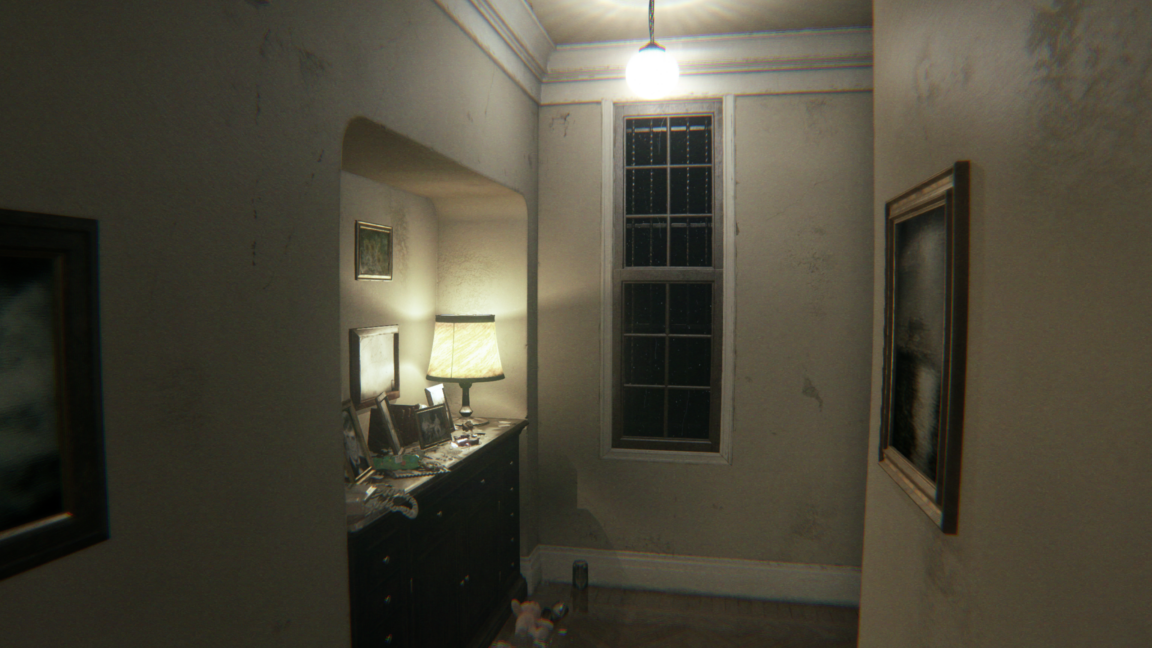
For over a decade, the only official way to play P.T. — Hideo Kojima's legendary playable trailer for the canceled Silent Hills — was on a handful of aging PlayStation 4s that downloaded it during its brief availability window. That era is now over. A solo developer has created an open-source porting tool that rebuilds the P.T. engine in C++ and Vulkan, letting anyone with the original PS4 files run a native PC executable. This isn't just a win for curious gamers; it's a blueprint for preserving gaming history.
What Actually Happened
Coder Lorean Xavier released a porting tool that constructs a playable x86 PC executable from the original PS4 files of P.T. The open-source project rebuilds the engine in C++ and Vulkan, using the original game files to recreate every level, model, texture, sound, script, and cutscene. Xavier said he was inspired because P.T. deserved to keep existing somewhere other than on consoles that still have it installed. The port requires players to supply their own legitimate decrypted copy of the original PS4 game, meaning it's not a standalone download. But for those who have the files, it's the most authentic PC version yet.
Why This Matters for Preservation
P.T. is a historically significant artifact — a playable teaser that became a cult classic after its cancellation. Until now, preserving it meant keeping specific PS4 hardware alive, a strategy Stanford curator Henry Lowood called a dead end back in 2015. He noted that hardware-specific solutions have a very small likelihood of surviving for super long periods. This port shifts preservation from fragile consoles to software that can run on modern PCs. It also includes extra features like upscaling, frame-generation, a camera mode, experimental third-person and VR support, and a museum section for viewing and listening to in-game assets, including unused content. That makes it valuable not just for players but for researchers and archivists.
The AI Question and What's Next
Xavier admits to using AI tools in development, but he's clear about the scope: he spent years studying P.T. and the Fox Engine, and only uses AI for debugging, troubleshooting, and investigating problems. He added that he's a solo developer making a free port because he loves the game, and nobody hired him or asked him to spend countless hours on it. This distinction matters as the retro-gaming scene sees a rise in AI-assisted decompilations. Xavier's approach — human-led, AI-assisted — sets a responsible example. The port should inspire more native preservation efforts, proving that community-driven projects can outpace official neglect and keep culturally important games alive for future generations.
Key Takeaways
- A solo coder built an open-source tool that turns original PS4 P.T. files into a native PC executable.
- The port rebuilds the engine in C++ and Vulkan, requiring players to supply their own legitimate game files.
- It includes modern features like upscaling, VR support, and a museum mode for in-game assets.
- The project offers a more sustainable preservation path than relying on aging PS4 hardware.
- Xavier used AI only for debugging, emphasizing years of manual study of P.T. and the Fox Engine.
Source: Ars Technica • 🇺🇸 San Francisco
Keep Reading